Ranitronics – Engineering & Manufacturing Partners

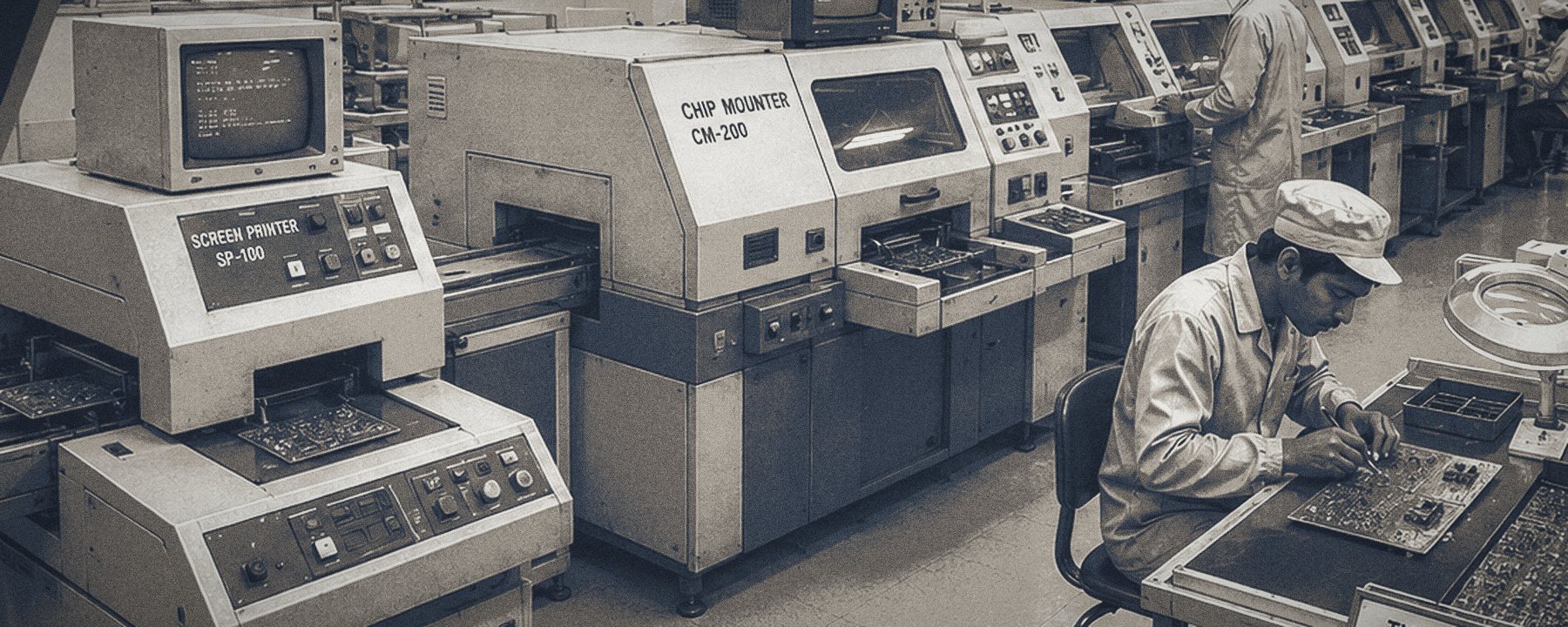
A record, rather than a proposition.
Ranitronics exists because the distance between a good idea and a running line is wider than most plans allow for. We close that distance ourselves — commissioning equipment, writing procedure, training operators and staying past the point where advice would have ended.
The organisation grew out of four decades of that work across consumer electronics, medical devices, railway systems, industrial automation, pharmaceutical equipment and defence supply. Twelve industries, three continents, and a habit of measuring ourselves by what the line does after we leave.
Vijayasree Kumar Y
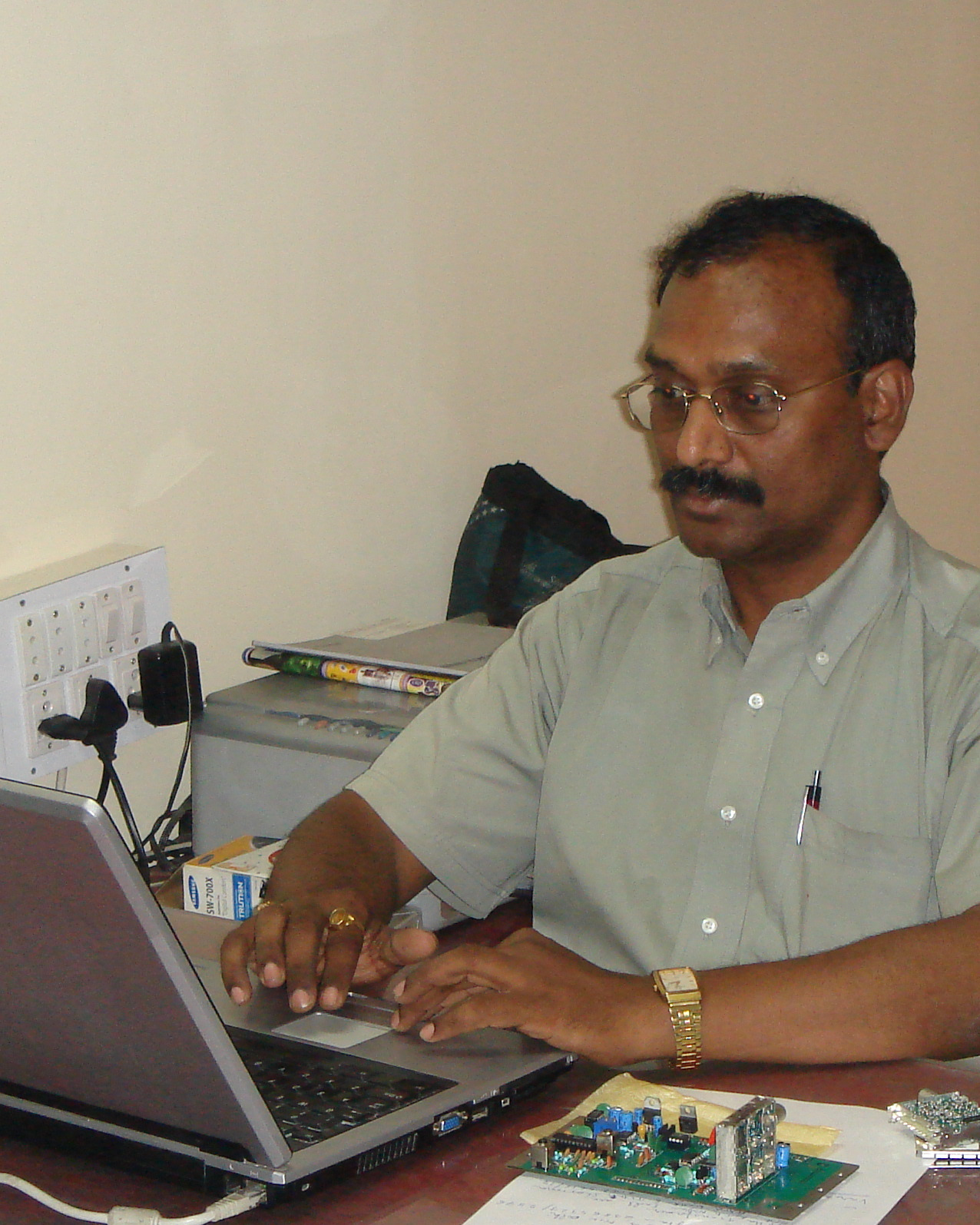
An electronics manufacturing and product realisation leader whose career has run through Japan, Taiwan, South Korea, Malaysia, China and Europe. He learned surface mount at Sanyo in Tokyo in 1988 and brought it back to a country where the technology had barely arrived.
What followed was a sequence of first-time builds: greenfield plants, technology transfers, turnarounds of operations others had written off, and export routes opened out of Indian factories.
- 1988 — TokyoSurface mount training at Sanyo, then commissioning one of India's first automated SMT lines.
- OnidaTuner output rebuilt from 5,000 to over 200,000 units a month.
- CatvisionSet-top box manufacture localised and scaled past 100,000 units a month.
- Across Asia and EuropeTechnology partnerships, sourcing programmes and customer development spanning six countries.
Six habits that survived four decades.
Lead from the floor.
Nobody is asked to do something we have not done at the bench ourselves.
Understand before advising.
The first week is spent watching the process run, not presenting to management.
Treat causes, not symptoms.
A yield problem is rarely a yield problem. We keep digging until the real one surfaces.
Leave capability behind.
Success is your team running it without us, which is also how the engagement ends.
Keep innovation practical.
New technology earns its place by what it changes on the line, not by what it is called.
Build long relationships.
Several of the organisations we started with in the eighties still call.
Ask us about the jobs that did not go smoothly.
Those tend to be more useful than the case studies, and we are happy to walk through them.
Let's Partner